
 Cart is empty
 I found the canola oil to have a very neutral taste and to work well for this, but other options are avocado oil or olive oil. If you are going to use olive oil though then don’t blend the olive oil in. The buttery flavor comes about from the vegan buttermilk – apple cider vinegar mixed in with unsweetened soy milk or almond milk, I tested both and both worked great – and a little nutritional yeast. And comparing the flavor to other vegan buttery spreads on the market, it compares very favorably. Omega-6s are inflammatory when you consume an excess, imbalanced ratio of them compared to omega-3 fatty acids.
What’s the healthiest ‘butter’? Spoiler: It’s not butter.
North American diets are skewed to consume more omega-6s, which are found in highly processed foods, Sharp says, so we don’t need to be consuming more omega-6s than we already do. Grocery store butter aisles carry “light” butter marketed to be healthier than regular butter, but Sharp says it’s not that simple. In reality, light butter is just regular butter with air or water whipped into it to hold its shape.
Trans fats
Trans fats are usually found in the form of partially hydrogenated oil and are known to increase the risk of heart disease, stroke and type two diabetes. No, butter is not bad for you, though butter substitutes have certainly tried to promote butter as unhealthy for decades. This dairy-free butter spread has been around forever and is available at just about any mass grocery store—but beware, most Smart Balance butters are not vegan! Most varieties have vitamin D added, which they source from sheep’s wool oil (lanolin). Depending on the oils and the recipe, margarines have different amounts of saturated fat, salt and vitamins.
Butter is high in saturated fat and cholesterol, which can push you past daily limits for saturated fat (10 to 15 grams) and cholesterol (200 mg), increasing the risk of heart disease. To make the best choice, consider your price point and whether you need it for cooking, spreading, or baking. If you’re interested in options that may be slightly healthier and better quality, explore grass-fed or organic varieties. Refined coconut oil is very neutral in flavor yet perfect in texture, so it enables this vegan butter to take on the other flavors added to it. If you want to keep things really simple you can use refined coconut oil in place of butter.
Earth Balance Olive Oil Buttery Spread
Make sure some of the whole grains you choose are rich in soluble fiber, a type that prevents your digestive system from absorbing cholesterol. Oat bran, oatmeal, and oat-based cold cereals are high in soluble fiber. Enjoy over 100 simple, healthy, whole-ingredient recipes to support your health, wellness, and weight loss goals. Mix 2 tbsp of PB2 with 1.5 tbsp of water or your choice of liquid to rehydrate.
“This plant-based spread is free of sodium and cholesterol, making it a great alternative to butter and cream cheese,” says Erin Palinski-Wade. In addition to its similar texture and flavor profile to regular ghee, Sabat highlights that Livlo also “features organic and non-GMO ingredients, ensuring a high level of quality.” “Culturing involves fermenting cashew milk with live cultures, which enhances both flavor and texture while promoting beneficial bacteria,” explains Sabat. “This process not only gives it a tangy taste similar to traditional cultured butter but may also improve its digestibility and support gut health.”

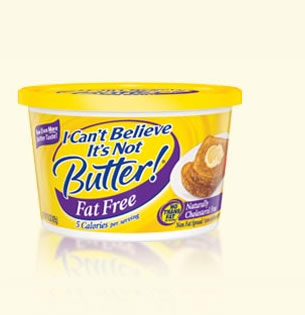
Fat-Free Butter: What It Is and Why It May Work for Your Diet
Others, like applesauce or mashed bananas, may work better in baking or dessert recipes. These types of margarines contain fewer calories than regular varieties and can help you stick to a healthy diet. However, they may also contain fewer beneficial nutrients like vitamin E and omega-3 fatty acids. Vegan cream cheese is a dairy-free alternative to traditional cream cheese that is made from plant-based ingredients such as soy or nuts. It’s a popular choice for those who follow a vegan or lactose-free diet but still want to enjoy the creamy texture and tangy flavor of cream cheese. Bananas are also a great source of dietary fiber, which can help to improve full review about unimeal digestion, regulate blood sugar levels, and promote feelings of fullness and satiety.
For most butter, that means just cream, salt, and lactic cultures. Vermont Creamery Sea Salt and Maple Cultured Butter has all of the same delicious qualities of regular butter plus an added sweet and salty taste. If you pick up Land O’Lakes for your next baking session, remember to choose unsalted unless a recipe says otherwise.
Land O Lakes Vegan Butter (“Plant-Based Creamy Spread”)
Whether you’re vegan, lactose intolerant, or simply looking to make healthier choices in the kitchen, there is a butter substitute on this list that will suit your needs. Kite Hill is known for its high-quality, plant-based products, and their Plant-Based Butter is no exception. Made with coconut oil, cultured almond milk, and cocoa butter, this butter alternative offers a creamy texture and rich flavor. It also contains beta-carotene for coloring, a naturally occurring plant pigment that is packed with antioxidants. Butter substitutes are crafted to replicate the taste, texture, and functionality of traditional dairy butter but are made from non-dairy or lactose-free ingredients. For instance, I Can’t Believe It’s Not Butter is primarily made from water, vegetable oils (like soybean and palm oil), along with emulsifiers and flavorings.
Food scientists have developed a new type of butter product that contains no fat. Water makes up approximately 80% of the product and the other 20% of the product is oil – this could be any type of oil, but it is usually some type of vegetable oil. When it comes to which is better, fat free butter or margarine, fat free butter wins. When margarine is manufactured it goes through a hydrogenation process. Serving of avocado has only 14.6 grams of fat – the same portion of butter has 81 grams of fat.
The good fats
Palinski-Wade suggests using this plant-based spread made from olive oil as a substitute for butter spreads and any butter you need in cooking or baking, as it has less saturated fat than butter. According to Country Crock, production of their plant butter produces less than half the greenhouse gas emissions of dairy butter production. Many of the Olivio alternative spreads are suitable replacements for dairy butter, but the Ultimate Spread really shines. The olive oil-based spread is vegan and non-GMO; plus, it contains no preservatives and a boost of ALA omega-3s, a type of fatty acid found in plants that may contribute to heart health.
Exploring Butter Alternatives: Lower-Fat Options
Amongst the best vegan butter brands, Country Crock is yet another option for vegans out there. Gluten and nut-free, this butter is amongst the saltiest options from the bunch of alternatives available in the market. Many of the dairy-free butters you’ll see on store shelves now keep saturated fat and cholesterol low without relying on trans fats. Olive oil is dairy-free, so it’s a good butter substitute if you’re allergic to milk or are lactose intolerant.
- Plant-based butters are gaining popularity as a dairy-free and often lower-fat alternative to traditional butter.
- Amongst vegan butter brands for baking, Wildbrine provides popular butter alternatives for all vegans.
- It is a solid fat that is white or yellow in color and has a smooth, creamy texture.
- Understanding these performance characteristics helps you select the right alternative for specific cooking techniques, ensuring better culinary outcomes when moving away from traditional butter.
- Olive oil is excellent for baking vegetables, while dairy-free yogurt is fantastic for sweets.
- Artificial trans fats in processed foods have been linked to high cholesterol and are unhealthy for the heart.
Spicy avocado
Although the ideal omega-3 to omega-6 ratio is still unknown, it’s best to focus on increasing your intake of omega-3 fats and limiting omega-6-rich foods like corn and soybean oil (24, 25). The blend of flavors wasn’t as nice and it didn’t taste as buttery as it does when you use refined coconut oil. Also after only around a week in the fridge, it had got a sort of whitish look to it, like lard, rather than like butter. You can definitely try that though if you have an issue with using refined coconut oil, just know that the result is not as good.
The common protein mistake people make after age 50 that’s accelerating muscle loss
Olive oil is also cholesterol-free, so it’s a better choice for those who are sensitive to dietary cholesterol and those with familial hypercholesterolemia. In addition, the diet composition of grass-fed cows can lead to changes in the taste, color, and texture of butter produced from their milk. And while grass-fed butter is the healthiest choice to keep in your fridge, Sharp says the best way to incorporate butter and oil into your daily diet is to get a diverse, balanced array. Butter also contains short-chain fatty acids like butyric acid that have benefits for gut health and potentially weight management, Sharp says. It has conjugated linoleic acid, a fatty acid that has anti-cancer and anti-obesity properties.
Add a Comment