
 Cart is empty
 Exploring the Evolution of Gambling Through the Ages
The Origins of Gambling
The history of gambling dates back thousands of years, with evidence found in ancient civilizations. Archaeological discoveries have shown that games of chance, often involving dice, were popular in places like Mesopotamia and ancient China. These early forms of gambling were not merely about the thrill; they served various social and economic purposes, including rituals and decision-making processes. Today, you can explore the thrilling world of golisimo casino in New Zealand to see how these traditions have evolved.

As societies evolved, so did the nature of gambling. It transitioned from primitive games played in informal settings to organized activities that were regulated and commercialized. The desire for entertainment and the allure of potential wealth drove gambling deeper into the cultural fabric of societies across the globe, influencing numerous aspects of life.
The Rise of Gambling in the Roman Empire
The Roman Empire is often credited with formalizing gambling, introducing a range of betting games to the masses. Citizens, from the lower classes to the elite, engaged in various betting activities, including chariot racing and gladiatorial contests. The Romans used dice extensively, and various games of chance became prominent in social gatherings, showcasing the intense psychological aspects of competition.
This era witnessed the birth of gambling laws, as authorities sought to control the burgeoning industry. While some viewed gambling as a vice, others embraced it as a legitimate form of entertainment. The Roman influence laid the groundwork for future gambling practices, blending them with aspects of competition and spectacle.
The Impact of the Middle Ages and Renaissance
The Middle Ages marked a tumultuous time for gambling, with the rise of religious sentiments leading to periods of prohibition. Yet, underground gambling remained prevalent, evolving into card games and early forms of lotteries. The Renaissance revived interest in gambling, highlighting skill-based games and the emergence of casinos in Italy, which further explored the psychological aspects of strategy.
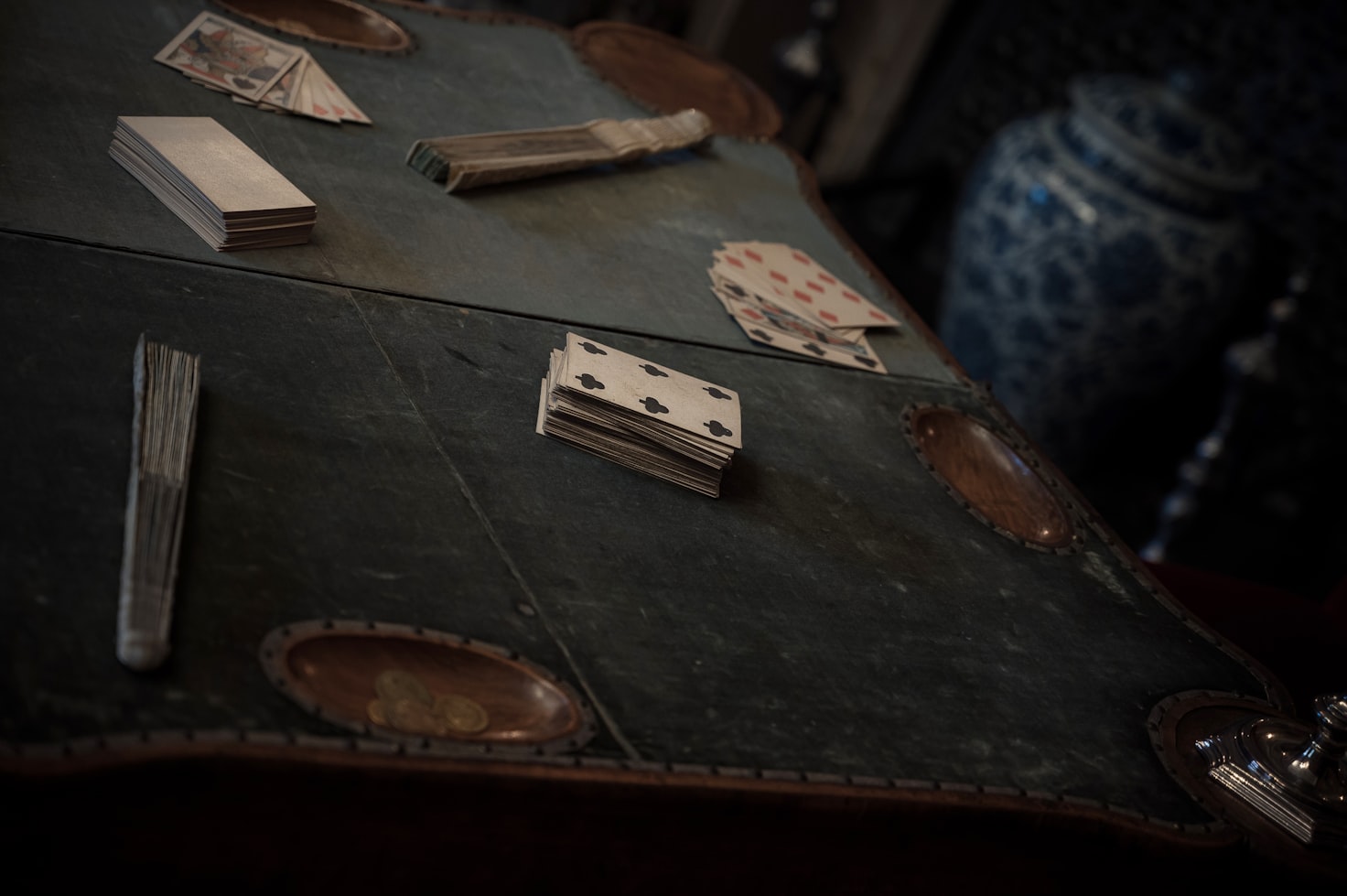
The introduction of playing cards during this period further transformed gambling, giving rise to games that required both luck and strategy. The Renaissance set the stage for a significant shift in public perception, from viewing gambling solely as a pastime of the lower class to acknowledging its appeal among nobility and aristocrats.
The Modern Era: Regulation and Technology
The 19th and 20th centuries saw gambling become a major industry, driven by technological advancements and changing societal attitudes. The establishment of official gambling establishments, including casinos and betting shops, marked a significant transition toward regulation. Governments began to recognize the potential tax revenues, leading to more structured legal frameworks.
The advent of the internet in the late 20th century revolutionized gambling once more. Online platforms emerged, allowing players to engage in various betting activities from the comfort of their homes. This shift not only expanded access but also raised new questions about responsible gaming and regulatory oversight in a digital age.
Golisimo: A Modern Gaming Experience
As gambling continues to evolve, platforms like Golisimo exemplify the latest advancements in online gaming. Launched in 2023, Golisimo caters to a diverse audience, providing over 4,000 slots and live dealer games, ensuring players have an extensive array of options. This innovative platform prioritizes user experience, integrating sports betting seamlessly.
With a commitment to responsible gaming and a secure environment, Golisimo represents the future of online gambling. Its focus on customer support and user satisfaction highlights the importance of player welfare as the gambling landscape continues to develop, merging traditional elements with modern technology.
Add a Comment