 Your cart is empty
Do you have questions about shungite? In this FAQ you will find answers to the most frequently asked questions: what shungite is, where it comes from, how to use and care for it, and what to look for when buying.
What is shungite?
What exactly is shungite?
Shungite is a black, carbon-rich rock from Karelia in north-western Russia. The deposits are estimated to be around two billion years old. Shungite is not a crystal but a mineraloid: a natural material without a fixed crystal structure.
Where does shungite come from?
Almost all shungite comes from Karelia, around Lake Onega. The name comes from the village of Shunga. The most important deposit is the Zazhoginsky mine; Shungite-Chi has been an official dealer there since 2012.
What makes shungite special?
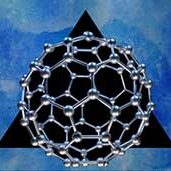
Depending on the type, shungite contains roughly 30% to over 90% carbon. Fullerenes have been found in shungite: spherical carbon molecules that are rare in nature. Shungite also conducts electricity, which is unusual for a rock.
Shungite, shungiet or schungit: what is the difference?
There is no difference. Shungite is the international spelling, shungiet the Dutch and Schungit the German spelling. They all refer to the same stone.
Is shungite a crystal or gemstone?
No. Shungite is often sold alongside crystals and gemstones, but geologically it is a carbon mineraloid.
Use
What is shungite used for?
In Karelia, shungite has been used for centuries, for example by placing it in water. Today the stone is mainly used as a natural stone in the home, near electronic devices, as jewellery and during meditation. Many users experience it as calming and grounding. These are personal experiences, not medically proven effects.
What does research say about shungite?
There has been laboratory research on shungite as a material, for example as a filter material for water and on the shielding of electromagnetic waves by layers of shungite-containing material. These studies say nothing about health effects of a stone in the home or a piece of jewellery. Shungite does not replace medical care.
Does shungite help against radiation from devices?
Many people place shungite next to their Wi-Fi router, computer or phone. However, a small stone, pyramid or sticker does not measurably shield a device’s radiation. People who use shungite this way mainly do so out of tradition and personal experience.
Where do you place shungite in the home?
Popular spots are next to the TV or Wi-Fi router, by the computer, on the bedside table or by the meter cupboard. Following tradition, some people place four pyramids in the corners of a room.
How do you make shungite water?
Rinse rough chunks or tumbled stones thoroughly, place around 100 grams per litre of drinking water in a glass jug and leave it for one to three days. Always start with drinking water: shungite does not make unsafe water drinkable.
Can you wear shungite as jewellery?
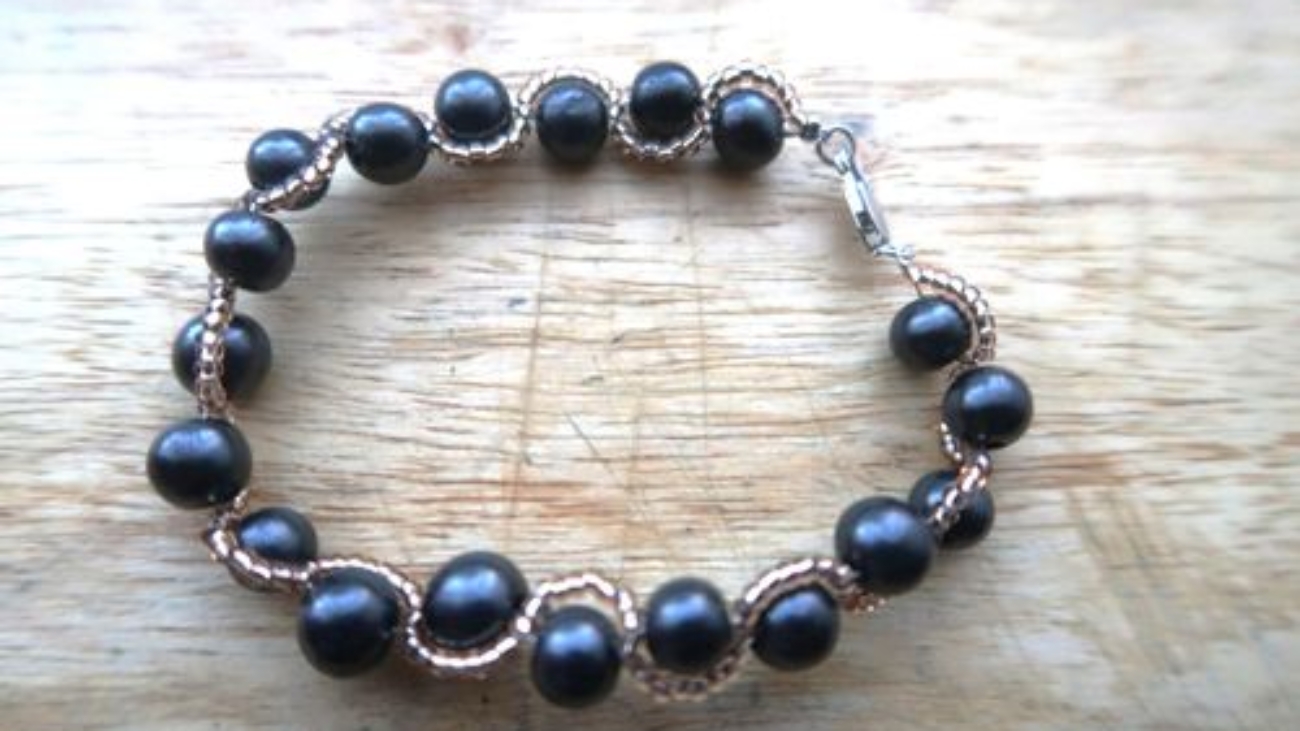
Yes, shungite is often worn as a pendant, bracelet or necklace. New jewellery made of matte shungite may leave slight marks on the skin at first; polished jewellery hardly does. See our shungite jewellery.
How much shungite do you need?
That depends on how you use it. For water: around 100 grams per litre. For a desk or bedside table: a small pyramid or sphere of 3 to 6 cm. For a living room many people choose a pyramid of 6 to 10 cm. To wear: one pendant or bracelet.
Types and buying
What is elite (noble) shungite?
Elite shungite is the rarest form, with the highest carbon content (over 90%). It has a silvery shine, is light and fragile, and is selected by hand. See our elite shungite.
What is the difference between polished and unpolished?
It is the same stone with a different finish. Polished shungite shines and does not leave marks. Unpolished (matte) shungite has a natural look and may leave black marks. Simply choose what you like best.
How do you recognise genuine shungite?
Genuine shungite conducts electricity, is relatively light for its size, feels less cold than marble, for example, and matte shungite leaves slight black marks. Also check the origin and be critical of unusually low prices.
Does Shungite-Chi have a certificate?
Yes. On About us you will find the sanitary-epidemiological conclusion of the Russian supervisory authority (Rospotrebnadzor) for shungite from the Zazhoginsky deposit.
Where can I buy shungite?
In the Shungite-Chi webshop you will find pyramids, spheres, rough chunks, elite shungite, jewellery and more. We ship to the Netherlands, Belgium, Germany and many other European countries.
Care
How do you clean shungite?
Rinse the stone occasionally under lukewarm water or wipe it with a damp cloth and let it dry. Do not use soap or cleaning products. In spiritual tradition, it is said that shungite does not need to be energetically cleansed.
Is it normal for shungite to leave black marks?
Yes. Shungite is rich in carbon, so matte or raw shungite releases black particles, a bit like charcoal. Polished shungite hardly does. It says nothing about the quality.
How long does shungite last?
With normal use, many years. Shungite can break if dropped, though; elite shungite in particular is fragile. Many people replace stones used in water after six months to a year, because limescale builds up on them.
Safety
Is shungite safe?
For external use, such as jewellery or a stone in the home, shungite is generally safe. For water: rinse new stones thoroughly, always use drinking water as a base and do not leave the water standing for more than a few days. Shungite can release small amounts of minerals and metals into water.
Are there any side effects?
There are no well-documented side effects of external use. On very sensitive skin, the black marks from matte shungite may be bothersome; in that case, choose polished jewellery.
Can shungite replace medical treatment?
No. Shungite is not a medicine and does not replace treatment. If you have health complaints, always consult your doctor.
Do you have a question that is not answered here? Feel free to contact us.